31/05/2026 · Family reading
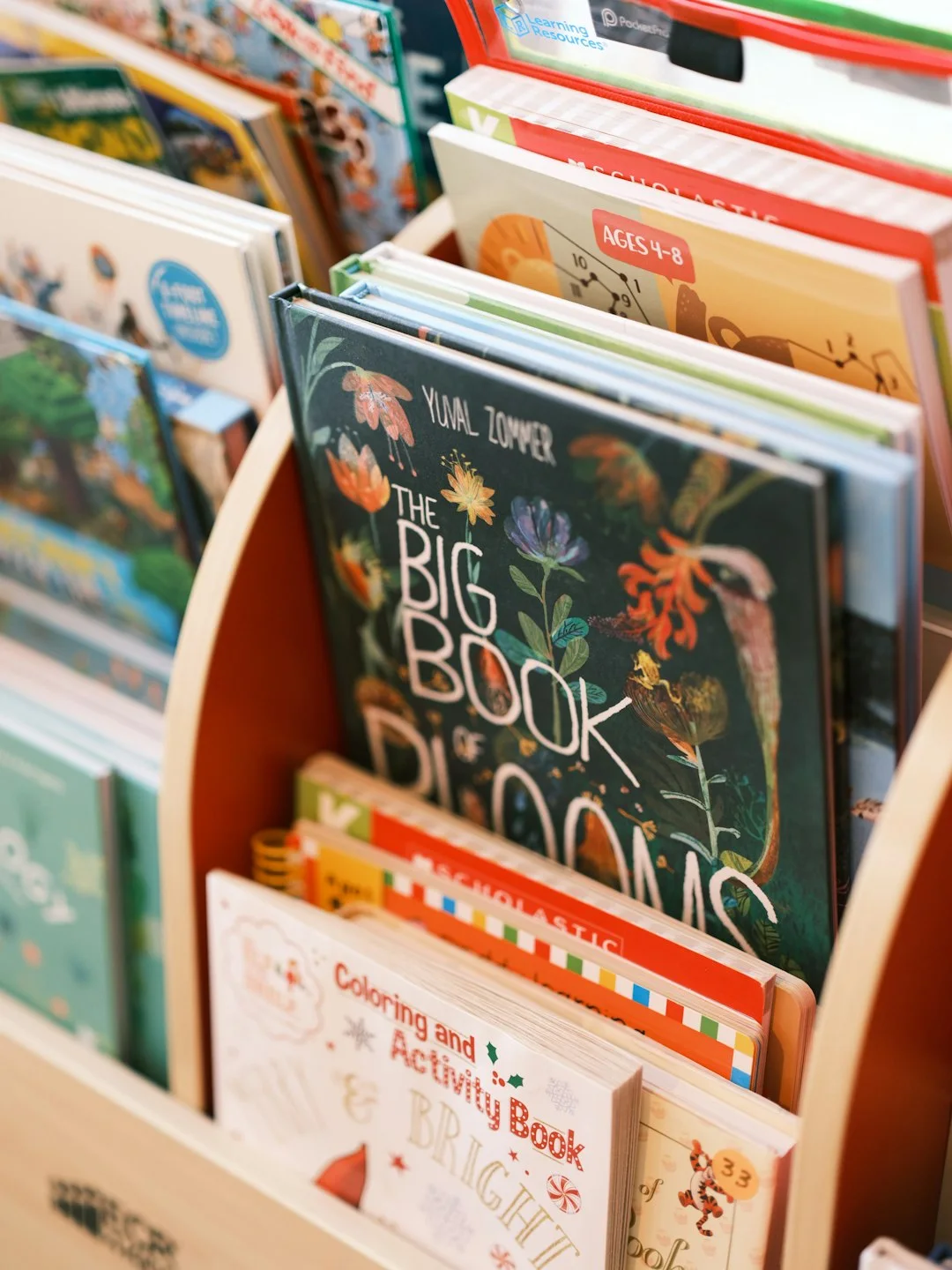
Families can try this with a picture book. Choose a page with a few characters and give the child time to look.
Try it step by step
- Ask who is there and what might be happening.
- Guess what comes next, then turn the page together.
- Let the child retell the story, offering prompts only when needed.
Prepare for the activity
Choose a page with a recognisable action, such as preparing a meal or looking for an object. Sit where both readers can see. Let the child notice details first; a brief adult observation followed by a pause can work better than several questions.
Examples and adaptations
Separate observation from inference: a wet umbrella is visible, while a recent walk in the rain is a guess. Ask what supports that guess. Invent two possible next scenes, then compare them with the next page while keeping the child's version as a story of its own.
Continue and review progress
Stop after one page if interest fades. Next time, let the child ask the questions. Save a drawing or a few dictated sentences. Look for clearer expression, turn-taking and explanations supported by picture details rather than a correct retelling.
After the activity
Finish with a drawing of a favourite character. Imagination is welcome; the purpose is to practise expression and listening.
Related stories

Introduce a book in three minutes
Explain why a book may be worth another person's time.
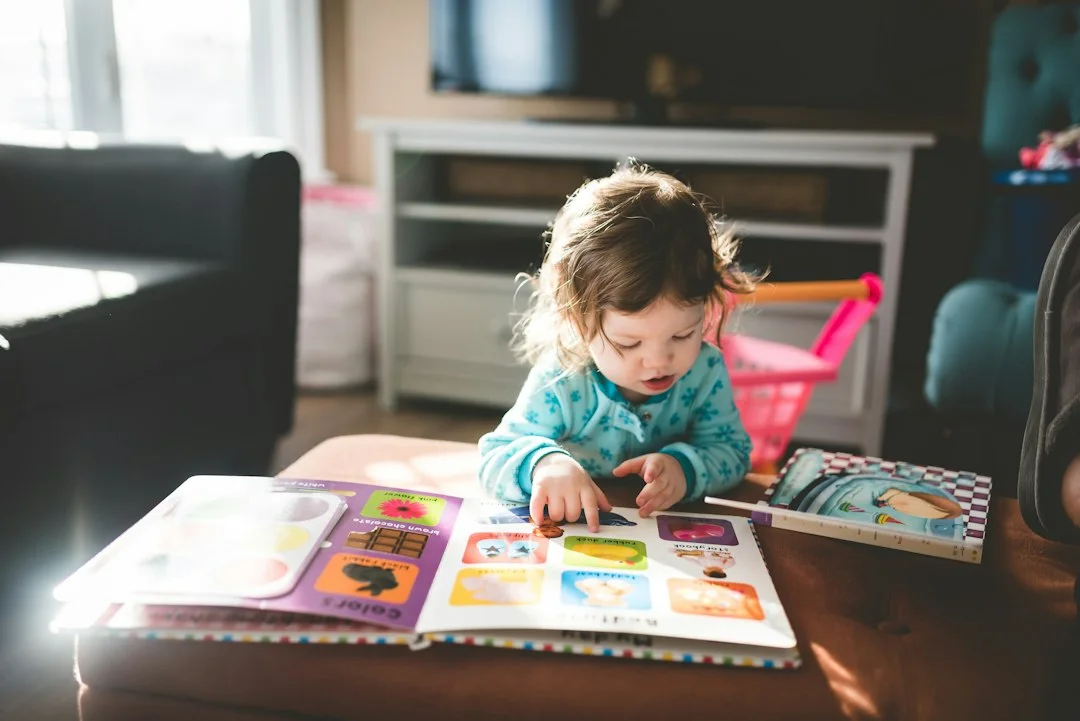
Read together, fifteen minutes at a time
A four-week reading plan that gives families time together and makes room for books in everyday life.

A reading journal on one sheet
Keep a few meaningful ideas from each book without turning reading into a long assignment.